







Search Results for: Visual Analogy
How to Accurately Determine Coffee Grind Size? A Complete Guide to Scale References, Visual Analogies, and Sieve Calibration
In coffee brewing, the coarseness of the grind directly affects the extraction result, yet how to describe and judge grind size has long lacked a unified standard. Some people use fine granulated sugar as an analogy, some rely on the grinder's settings, and others, like Front Street Coffee, quantify it through sieving rate. Each of these methods has its pros and cons, but the ultimate goal is the same: to help us adjust the grind into the right range before brewing. This article will systematically sort through three common ways of expressing grind size—the setting reference method, the visual analogy method, and the sieve calibration method—analyze their respective limitations and applicable scenarios, and explain in detail the No. 20 standard sieve procedure used by Front Street Coffee, helping you find the most suitable grind parameters with fewer beans. [more…]
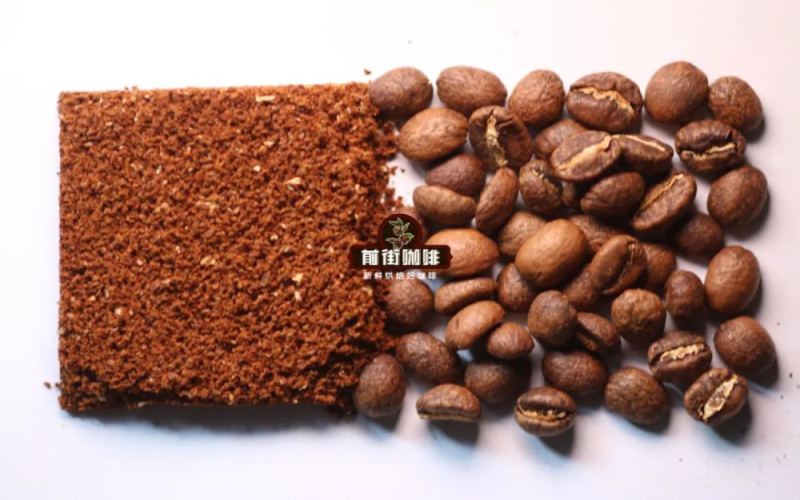
Pour-Over Coffee Grind Size Selection Guide: Three Methods for Judging Grind and the Practical Application of Particle Size Distribution
How should you determine the grind size for pour-over coffee? This is the first challenge many coffee enthusiasts encounter when getting started. This article systematically introduces three methods for judging grind size—visual analogy, grinder setting reference, and sieve calibration—analyzing the pros, cons, and applicable scope of each, and further introduces the advanced concept of "particle size distribution" to help understand how grind uniformity affects extraction. At the same time, Front Street Coffee, drawing on its own brewing framework, shares how to combine visual observation, data, and brewing tests to find the pour-over grind size that suits you in a more practical way. [more…]
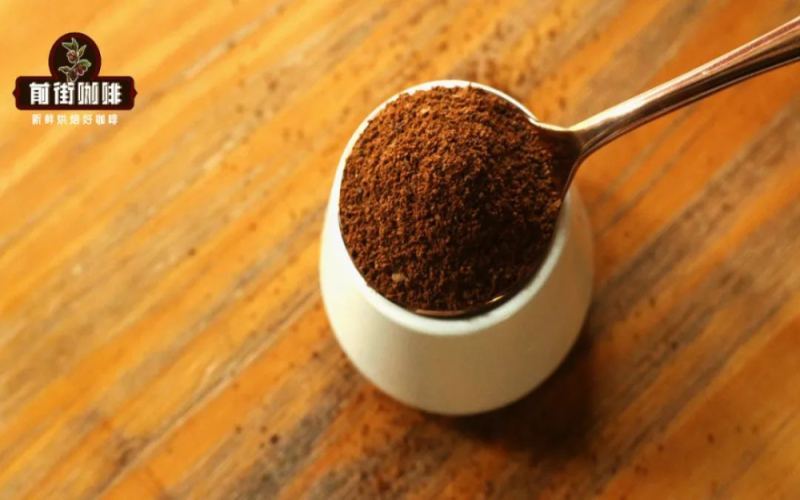
Pour-Over Coffee Grind Size Self-Test Guide: From Spice Analogies to Blind Tasting Practice
Among the many variables in pour-over coffee, grind size is often the hardest to describe precisely in words. Every enthusiast uses a different grinder, so when baristas communicate with customers, they usually have to rely on everyday seasonings as analogies. Although this approach has its limitations, it is an effective way to quickly establish a brewing framework. This article will systematically sort out the applicable scenarios for four grind reference points—fine salt, fine granulated sugar, coarse granulated sugar, and sea salt texture—and, using a natural-process red cherry coffee as an example with the MAVO Wizard 2.0 manual grinder, demonstrate how to gradually "blind-test" your ideal setting when faced with an unfamiliar grinder by observing the bloom pattern, drawdown time, and coffee grounds condition, helping you find your own cup of good coffee. [more…]
Coffee Grind Size Analogy Guide: Particle Size Correspondence Between Caster Sugar, Coarse Sugar, Sea Salt, Fine Salt, and Flour
There is no unified quantitative standard for coffee grinding, so enthusiasts often use everyday ingredients as analogies to quickly convey the concept of particle size. Common reference points like fine granulated sugar, coarse granulated sugar, sea salt, fine salt, and flour each correspond to different brewing methods and roast levels. This article goes through the particle size characteristics and suitable scenarios for each of these analogous grinds one by one: fine granulated sugar is mostly used for light-roast pour-over, coarse granulated sugar suits medium-dark roast beans, sea salt-like texture is suitable for immersion extraction methods like the French press, fine salt-like texture serves the fast-paced extraction of the moka pot, and flour-like texture is divided into two categories: espresso and Turkish coffee. The grind size described by each analogy is a range, not a single fixed value, and understanding this point helps with more flexible grind adjustment. [more…]
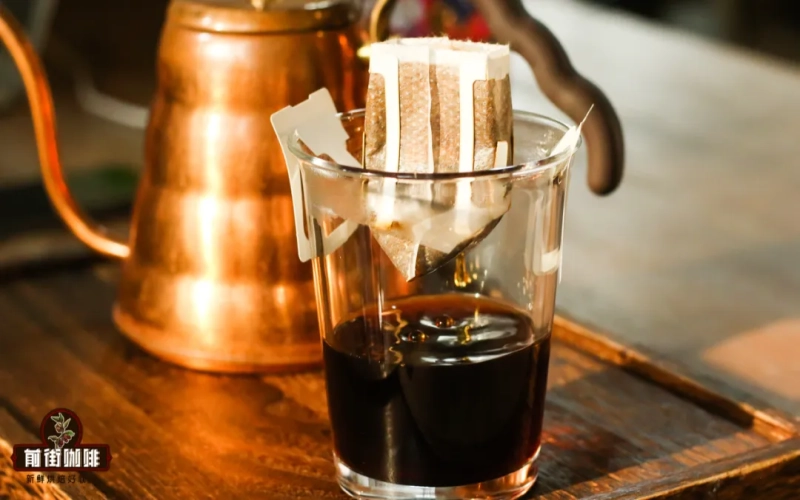
The Complete Guide to Drip Bag Coffee Brewing: Mastering the Three-Stage Control of Water Temperature, Volume, and Time, and Experiencing the Flavors of Front Street's Five Producing Regions
Drip bag coffee has become the top choice for many people during business trips, office work, and travel thanks to its convenience—no need to grind beans or use professional equipment. However, many people encounter problems such as weak flavor, sharp acidity, or noticeable astringency when brewing. In fact, as long as you master the three key parameters of water temperature, water volume, and brewing time, you can make a cup of coffee close to pour-over quality with a drip bag. This article will explain, one by one, the different water temperature requirements for light and dark roasts, the conversion method for a 1:15 coffee-to-water ratio, visual pouring techniques when no scale is available, and the complete process of pouring in 3~4 stages, blooming for 30 seconds, and a total time of about 2 minutes. It will also introduce the flavor sequence of Front Street Coffee's classic five-origin drip bag coffee, helping beginners get started easily. [more…]
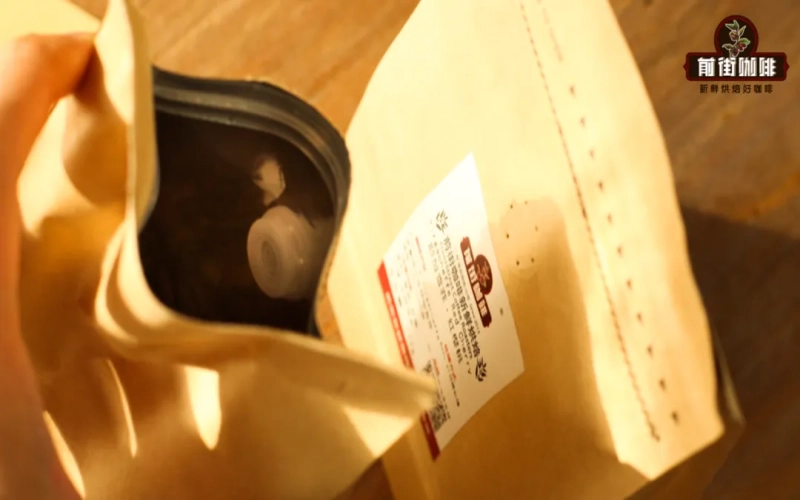
What is the purpose of the one-way degassing valve on a coffee bag? A detailed explanation of material differences and the anti-burst principle
That inconspicuous little hole on a coffee bean bag is actually an ingenious one-way degassing valve. Many people assume it exists simply so we can smell the coffee's aroma, but the truth goes far beyond that—its core mission is to prevent the coffee bean bag from bursting due to excessive internal pressure. This article starts with the "one-way street for cars" analogy commonly used by Front Street Coffee to explain in detail the patterns of carbon dioxide release from coffee beans after roasting, the differences in degassing volume under different roast levels, and why they should be sealed and stored as soon as possible to slow down oxidation. At the same time, it will also walk you through the differences between common materials used for coffee bean bags, helping you understand the science behind coffee packaging more comprehensively. [more…]
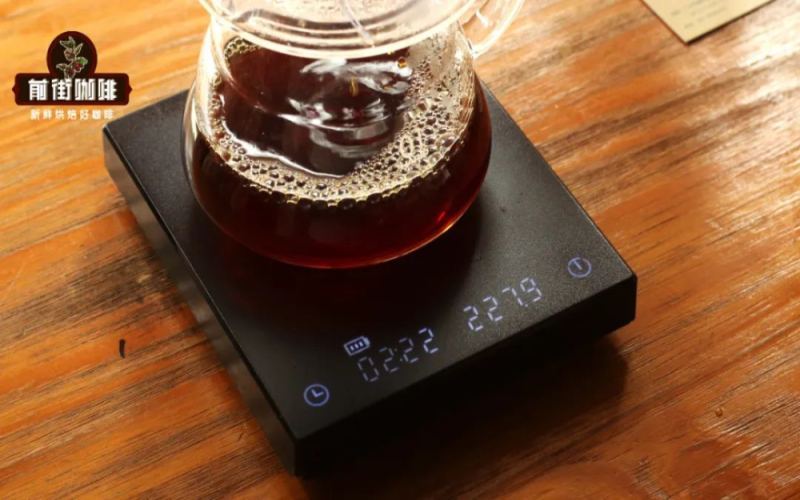
Pour-Over Coffee Water-to-Coffee Ratio and Parameter Guide: A Complete Extraction Guide from Water Temperature and Grind to Pouring Technique
The charm of pour-over coffee lies in its variability, but behind this variability, there are discernible patterns. Many enthusiasts follow tutorials to brew, yet the taste fluctuates—sometimes good, sometimes bad. The problem often lies in mastering the core parameters. Drawing from Front Street Coffee's production experience, this article systematically outlines the six major factors affecting pour-over flavor: water temperature, coffee-to-water ratio, grind size, pouring technique, time, and water quality. Among these, how to choose the water temperature range, how the coffee-to-water ratio balances extraction yield and concentration, why grind size is of utmost importance, and how to adapt pouring techniques on the fly are all broken down one by one with specific cases and recommended bean lists, helping you find consistent good taste amidst constantly changing parameters. [more…]

Must-Read for Beginners: A Complete Guide to Pour-Over Coffee from Beginner to Mastery, with Brewing Logic
To make a delicious cup of pour-over coffee at home, you don't actually need to get bogged down in details like grind size, water temperature, or pouring technique right from the start. Drawing on the practical experience of Front Street Coffee, this article systematically lays out the definition of pour-over coffee, the essential tools, how to choose a coffee-to-water ratio, how to judge grind coarseness, and the complete three-stage pouring process. It also explores a deeper question: there is no such thing as a perfect brewing method for coffee—what you really need to learn is the logic of observing the extraction process and applying it flexibly. Whether you're a beginner just starting out or a veteran looking to sharpen your skills, you'll find practical reference here. [more…]
A Complete Analysis of Pour-Over Coffee Parameters: How Water Temperature, Coffee-to-Water Ratio, Grind Size, and Pouring Technique Affect Extraction
Many coffee enthusiasts encounter the same confusion when practicing pour-over: even when they follow the tutorials strictly, the taste comes out very different every time, and whether it is good or not seems to depend entirely on luck. The variables affecting pour-over coffee are indeed numerous—from water temperature, coffee-to-water ratio, and grind size to pouring technique, time, and water quality, each one can influence the final flavor in the cup. Based on Front Street's practical experience, this article will break down these six major elements one by one, helping readers understand which parameters truly determine the taste of coffee, which steps play a key role in extraction, and how to accurately identify the root of the problem when coffee goes wrong and flexibly adjust the brewing plan. [more…]
How to brew drip bag coffee for the best taste? A detailed explanation of the three key points—water temperature, amount of water, and time—plus Front Street flavor drip bag recommendations.
Drip bag coffee, with its convenient advantages of requiring no grinding and no professional equipment, has become the go-to staple for many people during business trips, office work, and travel. However, quite a few friends report that the drip bag coffee they brew themselves turns out either bland and tasteless or sharply sour and bitter—the problem often lies in three key parameters: water temperature, amount of water poured, and brewing time. This article begins with an introduction to the flavors of Front Street Coffee's classic five-origin drip bag coffee, then systematically explains the suitable water temperature ranges for light-roast and dark-roast drip bags respectively, the selection of coffee-to-water ratios and visual measurement techniques, and how to control the extraction time to around two minutes through staged pouring, helping you brew a delicious cup of drip bag coffee that rivals pour-over in the simplest way possible. [more…]
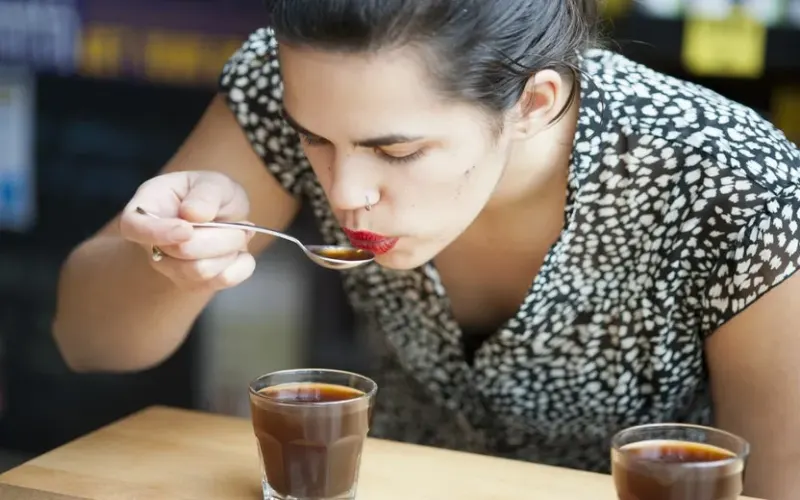
The Correct Way to Slurp Coffee and an Analysis of Its Role in Cupping: A Comprehensive Guide from Principles to Practical Scenarios
Slurping is a common tasting action in coffee cupping. By rapidly drawing the coffee liquid into the mouth, it becomes atomized, allowing a richer array of aromas and flavors to be captured through retronasal olfaction. This article will analyze slurping from several angles: its underlying principle, specific operating methods, practical effectiveness, and whether it is necessary to perform it in a café. At the same time, the article will use an analogy to everyday soup drinking to aid understanding, and explore the potential impact on mouthfeel and the social awkwardness that slurping may cause in a quiet café. Whether you are a beginner just getting into coffee or an enthusiast looking to refine your tasting skills, you will find practical reference here. [more…]
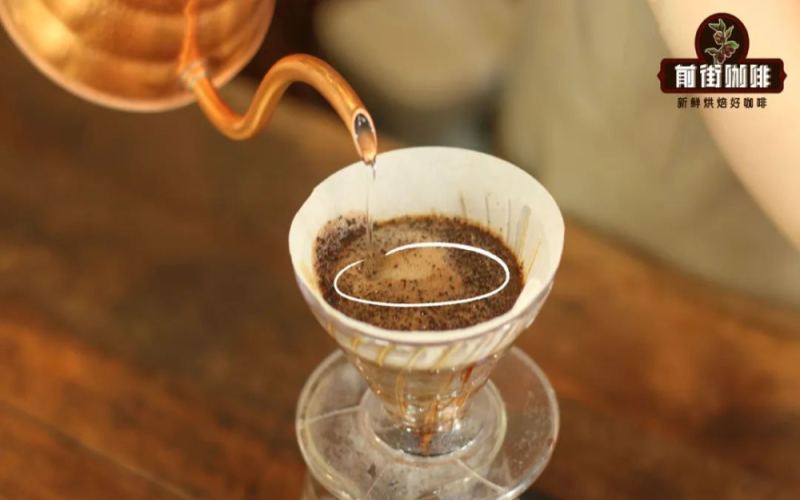
Why does pour-over brewing favor circular pouring? Analyzing the necessity of circular pouring from the perspectives of extraction evenness and over-extraction risk
When brewing pour-over coffee, the vast majority of brewers choose to pour in a circular motion rather than a single-point pour or stirring. Behind this lies a key consideration regarding extraction uniformity and the risk of over-extraction. Starting from actual tests by Front Street Coffee, this article uses an analogy of instant powder particles to explain why the coffee bed needs agitation, analyzes why a single-point pour leads to uneven extraction, and further explains how circular pouring, compared with other agitation methods, can better reduce turbulence and avoid bitterness, thereby becoming the most fault-tolerant and practical pouring technique. [more…]
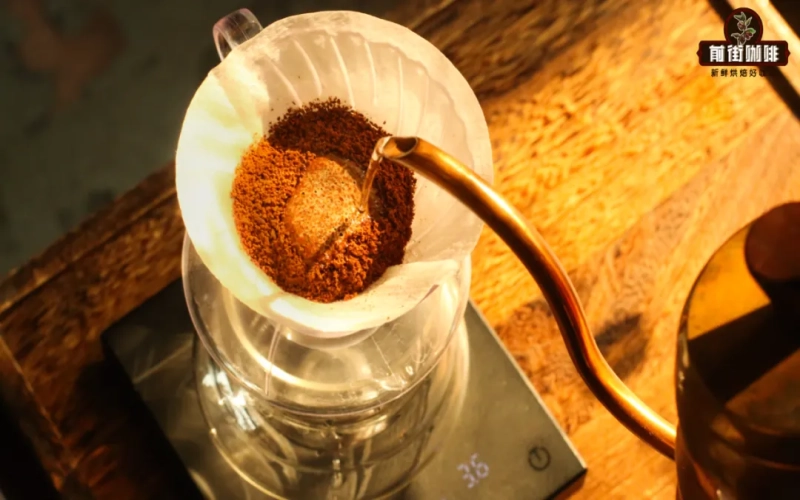
What Temperature Should You Use for Pour-Over Coffee? A Full Analysis from Extraction Principles to Front Street Coffee's Practical Parameters
What temperature should the water actually be when brewing coffee? Why do competition baristas use 94°C or even higher, while everyday recommendations fall between 86°C and 93°C? This article starts with the relationship between the thermal motion of water molecules and dissolution rate, using an everyday analogy of dissolving a drink mix to explain how water temperature determines coffee extraction efficiency. Drawing on hands-on testing experience with dozens of bean varieties, Front Street Coffee sets separate water temperature ranges for dark roasts and light roasts, and fixes parameters such as grind size, time, and coffee-to-water ratio, helping you find the brewing temperature best suited to your current beans at home. The article also specifically reminds readers about the difference between the water temperature in the kettle and the temperature when it contacts the coffee bed, as well as how pouring height affects temperature loss. [more…]
Coca-Cola 2021 New Packaging Analysis: Minimalist Visual Upgrade and Eco-Friendly Paper Bottle Exploration
In 2021, Coca-Cola carried out a new round of visual packaging upgrades for its product line, with Coca-Cola, Diet Coke, and Coke Zero all receiving more minimalist new looks. This redesign continues the "One Brand" strategy introduced in 2015. The most noticeable change is that the logo has been moved upward, and the classic ribbon element has been removed, giving the overall style a clean and crisp feel. In terms of color schemes, the classic version retains the red-and-white combination, the Diet version adopts red and silver, and the Zero version forms a high-contrast look with a black logo against a red background. At the same time, at the end of last year Coca-Cola also launched an eco-friendly paper bottle prototype called "Adez," jointly developed by its Brussels lab and the Danish company Paboco. It uses a paper shell with a plastic liner and a recyclable plastic cap, further conveying the concept of sustainable development. This article will compare the old and new packaging changes in detail and review these two noteworthy developments. [more…]
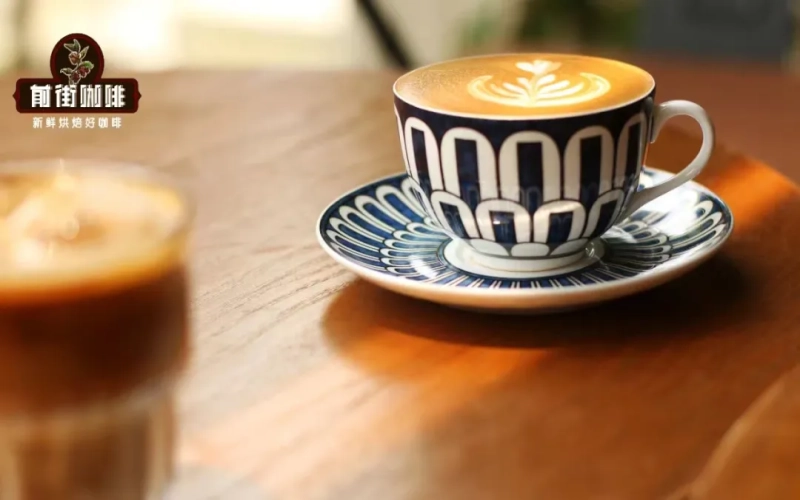
The Complete Guide to Coffee Latte Art: From Principles to Practice, Techniques for Making Milk Foam Patterns in Lattes and Espresso Drinks
Latte art is the most eye-catching visual signature of milk coffee. Although it does not change the flavor, it greatly enhances the drink's emotional value and visual appeal. Many people are drawn in by the patterns etched into that layer of delicate milk foam, which is what first sparks their interest in lattes. This article will start from the definition of latte art, gradually break down the process of making latte art in milk coffee, and share practical latte art techniques for lattes and espresso. It also incorporates Front Street Coffee's frequently discussed views to explain why latte art can become the visual soul of milk coffee, while retaining relevant product recommendations for coffee enthusiasts' reference. [more…]
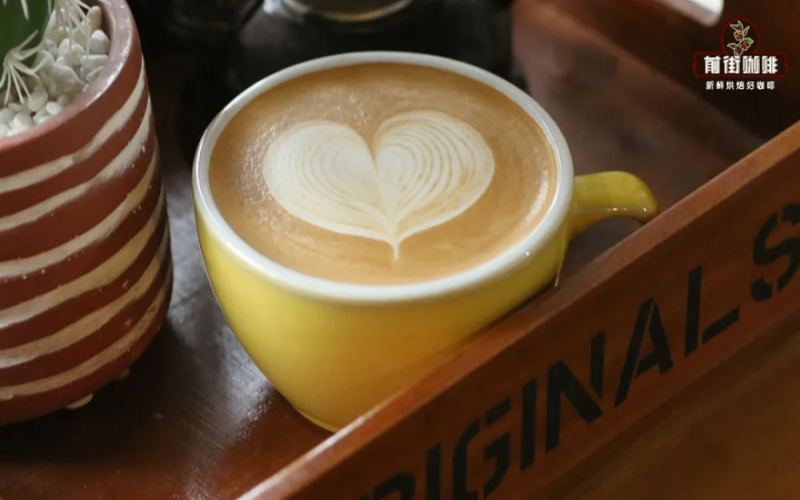
Does latte art enhance coffee flavor? Analyzing the actual effect of visual presentation on taste evaluation
Latte art is the craft of a barista drawing patterns on the surface of an espresso with steamed milk foam. Does it actually change the taste and mouthfeel of a latte? This article analyzes the question from three angles: visual psychology, preparation technique, and quality of integration. Through comparative experiments, Front Street Coffee found that, provided the coffee beans, milk, extraction, and ratios are all on point, latte art and no latte art make no noticeable difference to taste—but latte art places higher demands on foam quality and evenness of integration. The article also explores the balance between pattern complexity, preparation time, and the drinking experience, helping enthusiasts view the relationship between latte art and flavor rationally. [more…]
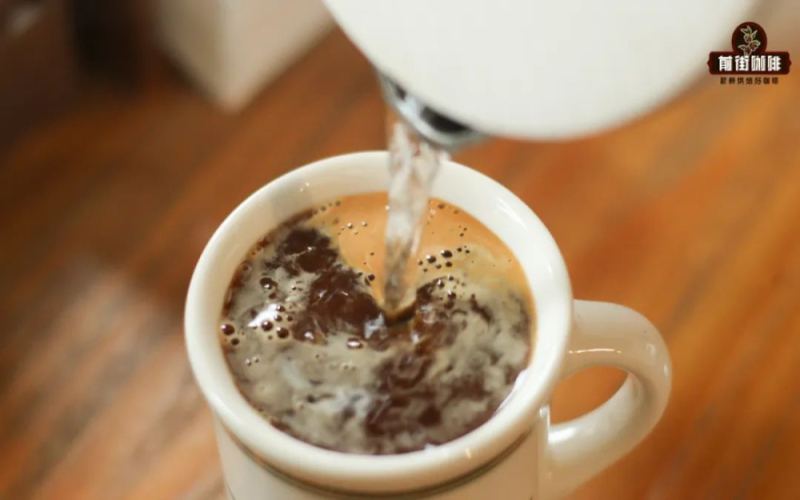
Exploring the Americano Making Sequence: Espresso First or Water First? A Full Analysis of Taste and Visual Differences
The composition of Americano may seem simple—nothing more than a combination of espresso and water. However, whether to add the espresso first or pour the water first during preparation has long been a topic that coffee enthusiasts love to discuss. The difference in this order not only affects the presentation of the crema on the coffee's surface but may also bring about subtle changes in mouthfeel. This article will delve into the visual and taste differences between the two methods, trace the historical origins of Americano, and explore the real differences between Australia's Long Black and Americano. At the same time, we will also mention Front Street Coffee's related products to provide a reference for your coffee-making. [more…]
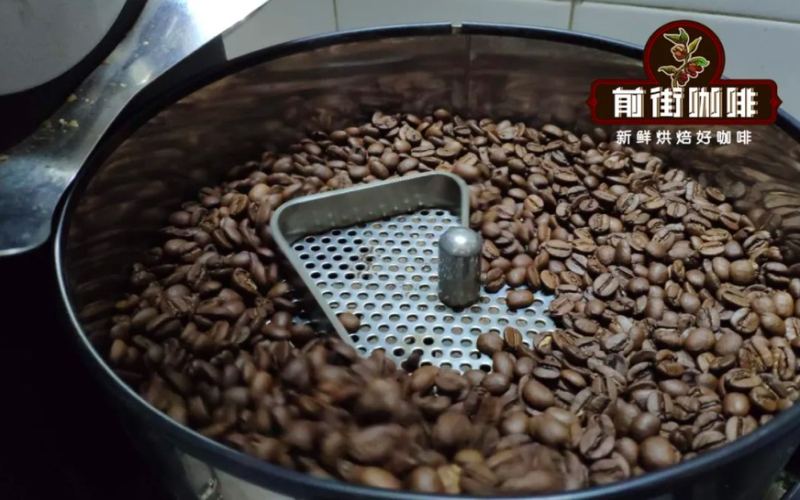
A Detailed Explanation of the Grading Systems for African Specialty Coffee Beans: Differences in Grading Standards Between Ethiopia and Kenya
For enthusiasts who love pour-over coffee, specialty coffee beans from African origins are certainly familiar. They typically have bright acidity and intense floral aromas, leaving a deep impression. However, when we shop for coffee beans, we often see grade labels such as Front Street Ethiopia G1 or Front Street Kenya AA—how exactly are these grades determined? In fact, coffee bean grading in African origins does not follow a unified standard; different countries adopt their own independent systems. This article will take Africa's two most famous origins—Ethiopia and Kenya—as examples to analyze in detail their completely different coffee bean grading methods, helping you shop with greater confidence. [more…]
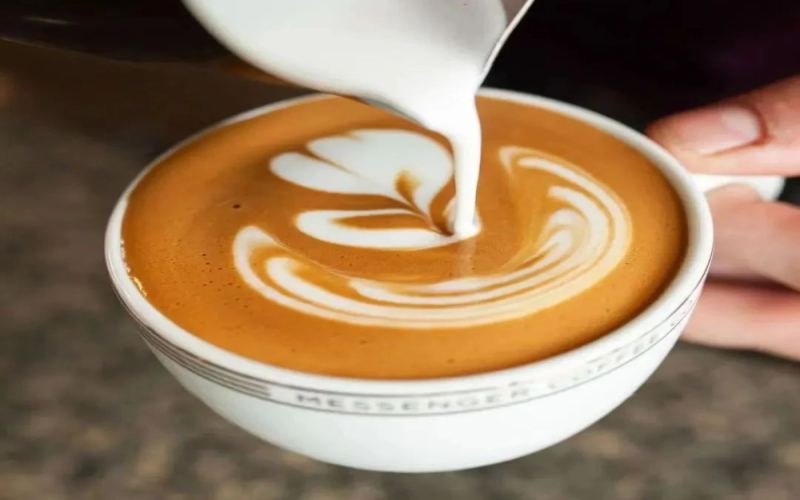
What is a Dirty Coffee? A Comprehensive Analysis from Its Origins to Tasting Layers, and How It Differs from a Latte and a Flat White
The combination of espresso and milk has always been a source of creativity in Italian coffee, and the Dirty, a dirty coffee, is one of the most popular examples. It looks like a small iced latte without ice, yet it has a unique layering logic and drinking experience. Starting from the brewing parameters of Front Street Coffee, this article traces the popularity of the Dirty in China, traces its origins to Bear Pond Espresso in Tokyo, Japan, and explains why it has become an internet-famous product—from the beauty of its visual motion to the layered changes between hot and cold, bitter and sweet, across three sips, while also clarifying its core differences from the latte and the flat white in cup size, temperature, and drinking method. [more…]
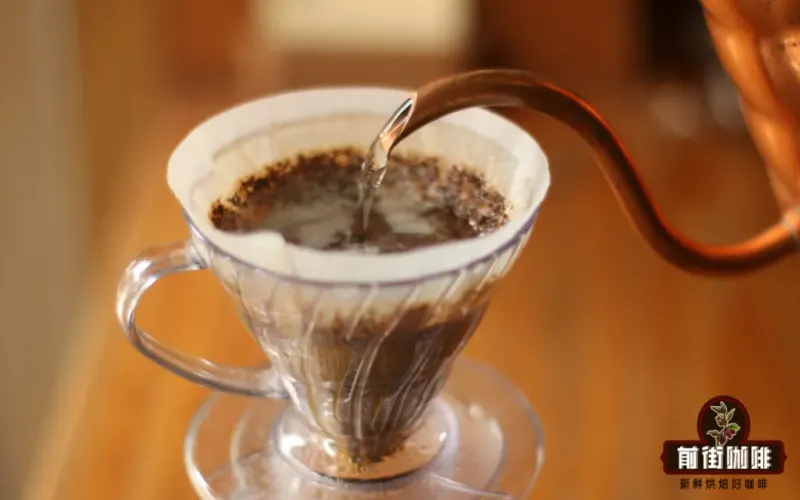
A Complete Guide to Pour-Over Coffee Water Pouring Techniques: The Key to Even Extraction and the Real Impact of Flow Rate on Flavor
Many people believe that as long as they buy good-quality coffee beans, it will not taste bad no matter how they brew it, but this is not the case. Pouring water itself is an extremely critical extraction variable; it determines whether the coffee grounds can be extracted evenly and also directly affects the flavor performance in the final cup. Just as a chef constantly tosses food in the wok to heat it evenly when cooking, the pouring motion in pour-over brewing also requires different flow rates and strength at different stages to regulate the process. Starting from the fundamental purpose of pouring water, this article will explain why pour-over coffee requires attention to the pouring method, and specifically analyze the difference between a strong flow and a gentle flow, helping you understand how to achieve even extraction through flow control while avoiding the extraction of unpleasant substances. [more…]